Personalized Legal Services in Barrington & Schaumburg, IL

847-381-8700


| Personal Injury |
Business Law |
Real Estate Law |
Wills, Trusts & Probate |
General Civil Litigation |
Elder Law |
When Can You Challenge a Will in Illinois Probate?
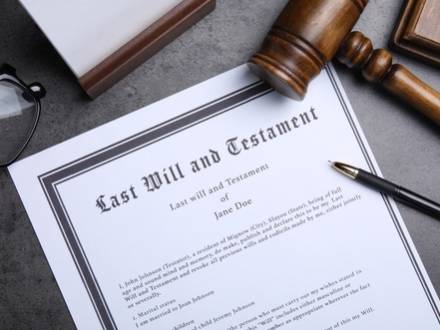 Very few things are as difficult as when someone we love dies and we believe their wishes are not genuinely reflected in their will. Sometimes this happens because your loved one confided in you. Other times, it may be because you knew them well enough that the terms of their will simply seem impossible. Whatever the reason, many people ask whether a will can be challenged and, if so, how.
If you want to challenge a will or are dealing with other probate issues, our Barrington, IL probate attorneys can help. Our firm is highly experienced in solving estate planning challenges and we have served our local community for over four decades.
What Does It Mean to Challenge a Will?
Challenging a will means formally asking the probate court to declare that the will is invalid, either in whole or in part. If the court agrees, the estate may be distributed under an earlier will or, in some cases, under Illinois intestacy laws (755 ILCS 5/2-1).
Challenging a will is not usually about whether the terms feel fair. It is about a genuine question as to whether the will was legally created and reflects the true wishes of the person who died.
When Can a Will Be Challenged in Probate?
In Illinois, a will can only be challenged after it has been admitted to probate. Once the court accepts the will, you have a limited window of time to act.
Under Illinois law, a will contest generally must be filed within six months from the date the will is admitted to probate. Missing this deadline usually means losing the right to challenge the will, even if serious concerns exist.
Because probate timelines move quickly, it is important to speak with a Barrington estate planning attorney as soon as you feel something might be amiss.
Who Is Allowed to Challenge a Will?
Not everyone has the legal right to contest a will. Only certain people, called "interested parties," may bring a challenge. These are individuals who would be financially affected by the outcome.
This often includes:
-
Heirs who would inherit under intestacy laws
-
Beneficiaries named in a prior will
-
Beneficiaries whose inheritance was reduced or removed
If you would not gain or lose anything financially, the court is unlikely to allow you to proceed.
Note that some surveys show that over 75 percent of Americans may die without having a will, and you can only challenge a will if one exists. If there is no will, then any beneficiaries will inherit according to Illinois’ intestacy laws.
Common Grounds for Challenging a Will in Illinois
A will must meet specific legal requirements to be valid. Most will contests are based on one or more of the following issues.
Lack of Testamentary Capacity
The person who made the will must have understood what they were doing at the time it was signed. This includes understanding their assets, their relationship with their family members, and how the will would distribute property. Serious illness or dementia may raise questions about capacity.
Undue Influence
Undue influence is when someone pressures or manipulates the testator into changing their will for that person’s benefit. This may be done by caregivers, relatives, or others in a position of trust.
Fraud or Forgery
A will may be challenged if it was created through deception. It can also be challenged if the signature or document itself is not authentic.
Improper Execution
Illinois law requires wills to be signed and witnessed in a specific way. If these procedures were not followed, the will may be invalid.
What Evidence Do You Need to Challenge a Will?
Challenging a will requires more than just a suspicion that something isn’t right. Courts expect documentation and testimony that support your claim. You might need medical records, witness statements, or copies of previous wills that your loved one made. The exact evidence will depend on your specific situation.
An experienced estate planning attorney can help determine whether the available evidence supports a valid challenge and whether pursuing it makes sense for you.
What Happens If You Successfully Challenge a Will?
If the court finds the will invalid, several outcomes are possible. The court may use an earlier will or distribute the estate according to Illinois intestacy laws. The court can also adjust distribution if it appears that only part of the will was invalidated.
Call a Barrington Probate Lawyer for Challenging a Will
If you believe a will does not reflect your loved one’s true wishes, you should give us a call. Our Barrington, IL estate planning attorneys have served the northwest suburbs of Chicago for over 40 years and take pride in careful, client-focused representation.
We will review your situation, explain your options, and help you decide the best path forward. Call Lucas Law at 847-381-8700 today.
Contact Our Firm
 The use of the Internet or this form for communication with the firm or any individual member of the firm does not establish an attorney-client relationship. Confidential or time-sensitive information should not be sent through this form.
I have read and understand the Disclaimer and Privacy Policy.