Personalized Legal Services in Barrington & Schaumburg, IL

847-381-8700


| Personal Injury |
Business Law |
Real Estate Law |
Wills, Trusts & Probate |
General Civil Litigation |
Elder Law |
Recent Blog Posts
Why Do Insurers Offer a Fast Payout for Catastrophic Injury?
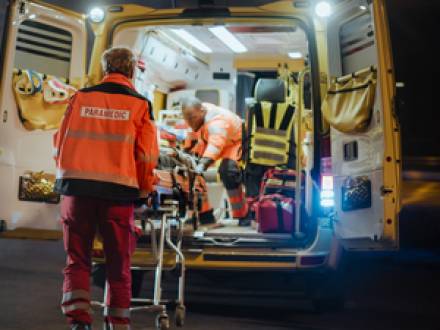 Sometimes, people walk away from an accident unscathed, while others sustain catastrophic and life-threatening injuries. Brain and spinal cord injuries are some of the worst because even if victims recover, their lives may be permanently altered. Insurers often offer fast settlements after catastrophic injuries in hopes the victims do not realize they may be entitled to much more.
What kinds of accidents can lead to spinal cord and brain injuries? How can these injuries affect victims long-term? An experienced Barrington, IL personal injury attorney can calculate your damages and fight to maximize your compensation.
How Can Catastrophic Injuries Happen?
Almost any type of accident can produce serious injuries, but some of the most common causes include motor vehicle collisions, falls, and construction accidents. Assault victims may also suffer catastrophic injuries. When these injuries are caused by another party's intentional act or negligence, you may be eligible to file a claim against them for compensation.
Illinois Estate Planning Guide: FAQs and Legal Terms
 You have probably heard the term "estate planning" but are unsure exactly what it means and includes. If you have begun to research, you have likely seen a lot of unfamiliar legal terms. Before developing an estate plan, you need to understand what it is, how it can benefit you and your beneficiaries, and what the terms mean. Working with a knowledgeable Barrington, IL estate planning attorney can provide the answers and assistance you need.
Legal Terms Used in Estate Planning
You cannot make informed decisions if you do not grasp what these legal terms mean:
-
Administrator: A court-appointed person who manages an estate after its owner dies, whether without a will or if the named executor cannot fulfill her duties.
-
Assets: Anything a person owns, including personal possessions, financial accounts, investments, and real estate.
Holiday Accidents, Injuries, and Personal Injury Claims
 With the holiday season upon us in Illinois, parties, family gatherings, shopping, and various events keep many schedules busy. Along with family quality time and fun, accidents can also happen during this season, leaving you with injuries, pain, and mounting expenses. If your accident was caused by someone else's negligence, you may qualify for compensation through a personal injury or premises liability claim.
What kinds of accidents happen frequently during the winter holiday season? How do you know if you are eligible for compensation? A Barrington, IL lawyer from Lucas Law can evaluate your circumstances and eligibility during a free consultation.
What Kinds of Accidents Are Common During the Holidays?
Many types of accidents can turn holiday cheer into painful or life-threatening situations, including:
-
Drunk driving accidents
How Can I Help My Beneficiaries Avoid Probate in Illinois?
 Some people who are meticulous planners otherwise do not take time for estate planning. While contemplating your own death is uncomfortable, you may leave your family facing a mountain of problems after you pass if you do not prepare.
Probate is a term you have probably heard but do not understand. What is probate? How could it affect your beneficiaries? Can you do anything to help them avoid it? The experienced Barrington, IL lawyers at Lucas Law can help you understand probate and decide how to plan for it.
What Is Probate?
When someone dies, they likely have assets and debts. Whether or not the deceased has a will, probate courts use those assets to pay debts and distribute the remaining assets among beneficiaries. If you do have a will, the court should abide by your wishes regarding property division. If not, the court will decide.
The probate process includes notifying the courts of the death, assessing personal and real property values, listing outstanding debts, and presenting a will for verification, if applicable. An open period for creditors to make claims against the estate lasts for six months. Your estate includes all of your assets, even if you do not have many.
What Can I Do If I Was Injured in an IL Hit-and-Run?
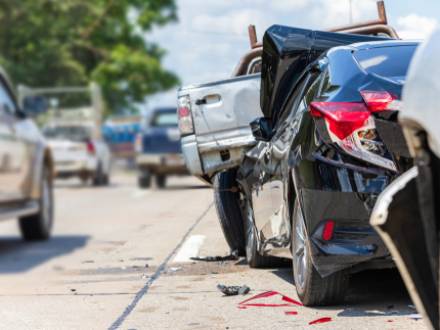 Dealing with an insurance claim after being injured in a car accident is bad enough when you know the identity of the driver who hit you. When that driver flees the scene, it literally adds insult to injury.
What should you do after a hit-and-run collision? Can you still get a settlement? Working with a knowledgeable lawyer from Lucas Law can alleviate your stress and make the process smoother. Call us now for your free consultation.
Why Do At-Fault Drivers Leave Accident Scenes?
Although Illinois laws require anyone involved in a crash to stay at the scene until police officers respond, not everyone does. Common reasons that drivers flee include:
-
Impaired judgment due to alcohol or drugs
What Happens If You Die Without a Will in Illinois?
 Many people mistakenly believe that they do not need a will or that estate planning is unnecessary. Whether due to a younger age, few assets, or thinking, "There will be time for that later," the lack of a will can have many consequences for your surviving family, especially if you have minor children.
Whether you need to create or update a will or estate plan, the skilled estate planning lawyers from Lucas Law can help.
What Does "Dying Intestate" Mean?
This legal term refers to someone dying without a will in place that designates beneficiaries, division of assets, and guardianship for minor children. If this happens, the State of Illinois has laws that govern who can get your assets and how they are distributed. Various potential situations are addressed in these laws to cover things like:
How Can Social Media Affect My Personal Injury Case?
 For better or worse, social media is an integral part of our lives. While you might enjoy how it helps you stay connected and share experiences with others, you should also be cautious about what you post, especially if you are in the midst of a personal injury case. This article will explain some of the ways that your case can be affected by your social media posts and what you can do to help. If you have more questions, speak with a skilled Barrington, IL personal injury lawyer.
Gathering Evidence
Anything you post on social media can be evidence in a personal injury case. Defense lawyers and insurance companies often scrutinize social media to find anything that could discredit your claim. Any photos that show you doing something seemingly inconsistent with your reported injuries can be used by the other side to show that you were not hurt as severely as you say. Something you post about your daily life could be misinterpreted to show that you are not suffering as much as you claim to be.
Why Is Illinois Estate Planning Important?
 A common misconception about estate planning is that this process should only be completed by people who have literal estates, but this is not the case. Your estate consists of your possessions, including your home, car, investments, life insurance, and other possessions, and estate planning is an important step in ensuring that your choices are followed upon passing away or being otherwise unable to make decisions about your estate.
An experienced Illinois estate planning lawyer can help you navigate the complexities of this process and help you settle vital decisions about your estate.
What Documents Are Included in Estate Planning?
While the planning of every estate is different, there are a few types of documents that are commonly created for most estates. You may need to include one or all of these documents as part of your estate plan.
- Last will and testament – outlines how your wishes for taking care of your pets, children, or other dependents and how you want your possessions to be distributed.
How Can an Illinois Lawyer Help Me After a Drunk Driving Accident?
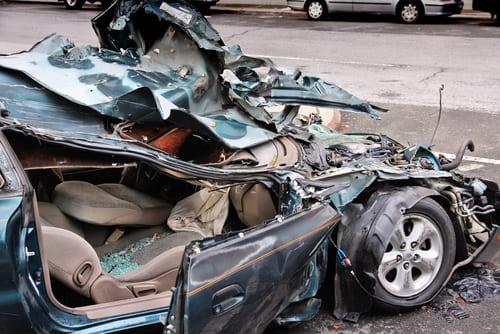 Drunk driving accidents are totally avoidable tragedies, and injuries associated with drunk driving accidents are often severe. Because of this, victims of drunk driving accidents may also deal with numerous medical costs and bills that can be incredibly difficult to manage. An Illinois lawyer can help you navigate your legal options and pursue a compensation claim against the party responsible for the drunk driving accident.
Consequences of a Drunk Driving Accident
Drunk driving accidents can be severe, as many drunk drivers are completely unaware of their surroundings and act recklessly as they operate a vehicle under the influence of alcohol. If you or a loved one is involved in a drunk driving accident, you could experience any of the following consequences:
-
Serious injuries that result in permanent disability or disfigurement
How Can a Catastrophic Injury in Illinois Affect Me and My Family?
 Catastrophic injuries can be life-altering for you and your family. These injuries involve much more than immediate physical harm. They can affect the emotional, financial, and social well-being of a victim and their loved ones. Understanding the various types of catastrophic injuries, their potential long-term effects, and the steps that may be taken to recover compensation is crucial for injury victims and their families. In these situations, an experienced attorney can explain your options and provide you with effective legal representation to ensure that you will receive the compensation you deserve.
Types of Catastrophic Injuries
Catastrophic injuries can occur in a variety of different situations, including motor vehicle accidents, construction accidents, or slip and fall accidents that are caused by dangerous property conditions. These injuries may include:
Contact Our Firm
 The use of the Internet or this form for communication with the firm or any individual member of the firm does not establish an attorney-client relationship. Confidential or time-sensitive information should not be sent through this form.
I have read and understand the Disclaimer and Privacy Policy.